




























Perfect! Fits perfectly in shoe not to thick, still offers a little very little flex, and it’s perfect .
Very happy
Excellent for rehab
Post fracture of base of 5th metatarsal
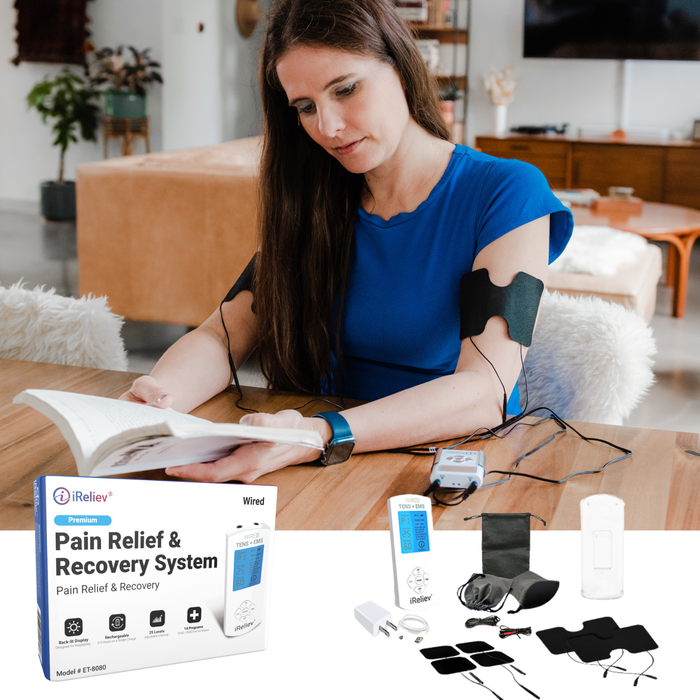
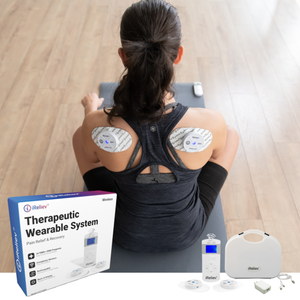
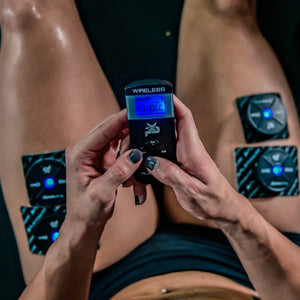
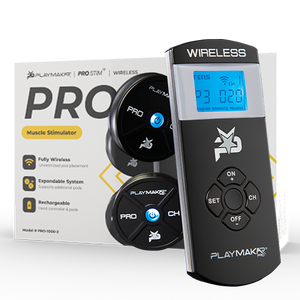
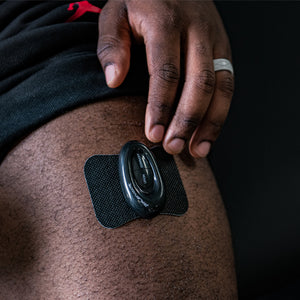
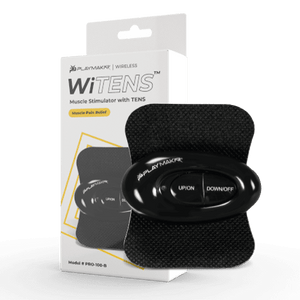
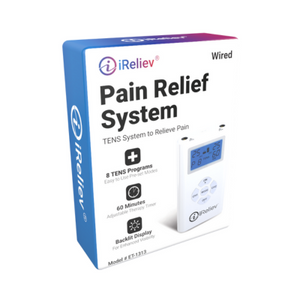
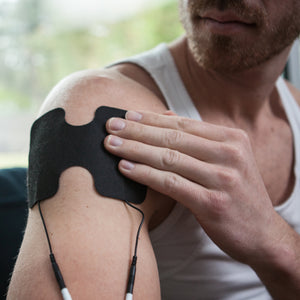
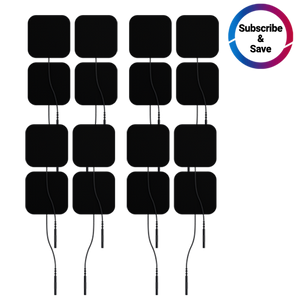
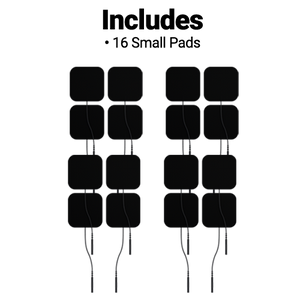
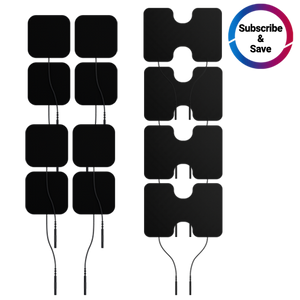
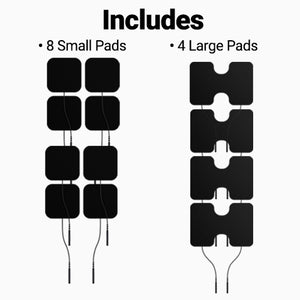
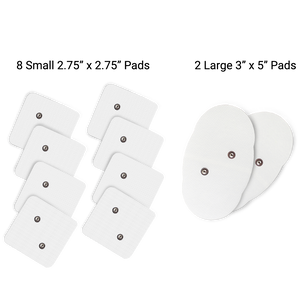
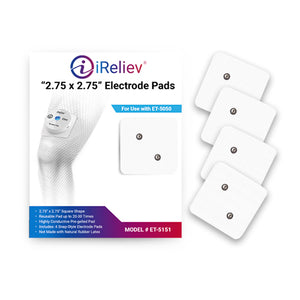
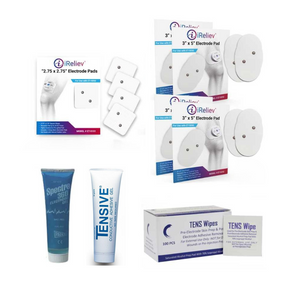
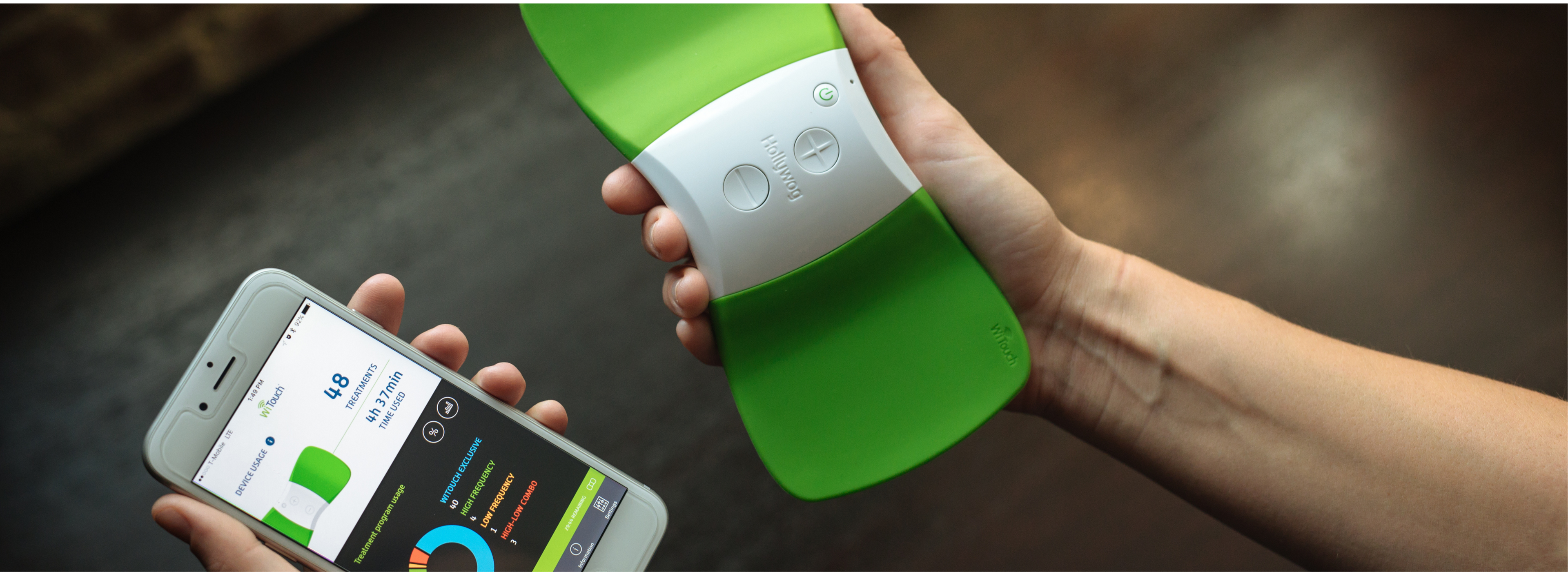
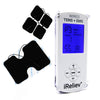
Love this wireless TENS unit. I would have given it 5 stars but am disappointed in how quickly the gel pads need to be replaced. I am using the TENS unit several times a day due to a recent compression fracture.
Seems like durable material & nice that each band has a different degree of tightness/looseness.